Doodle Flowers Line Art SVG: A Designer's Field Test
When I first opened the Doodle Flowers Line Art SVG on my screen, the immediate impression was one of effortless charm. There is a specific mood that hand-drawn ink lines convey—a sense of organic movement and whimsy that rigid, geometric vectors often lack. As someone who spends hours digitizing and stitching designs for clients, I look for files that translate well from the digital canvas to the physical hoop. This collection, categorized under Illustrations and Graphics, promises a raw, artistic aesthetic. But the real question for any professional is not just how it looks on a monitor, but how it behaves under the needle.
The Aesthetic: Organic Lines Meets Modern Craft
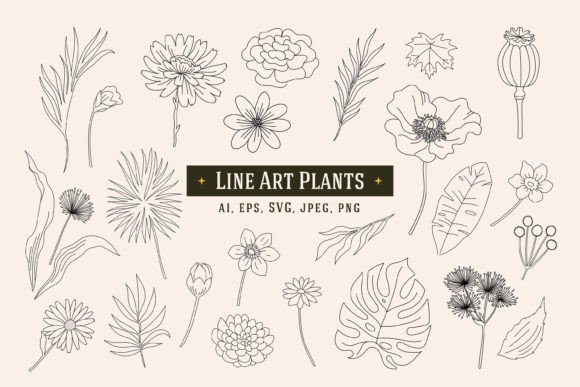
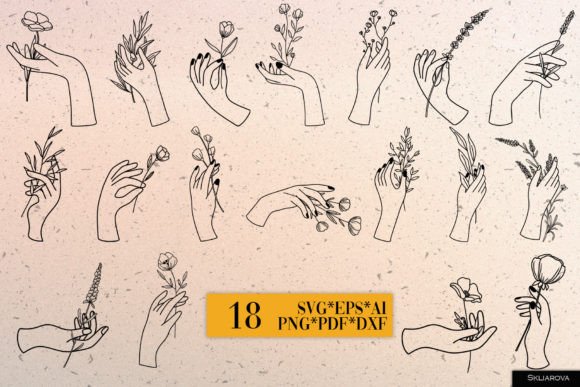
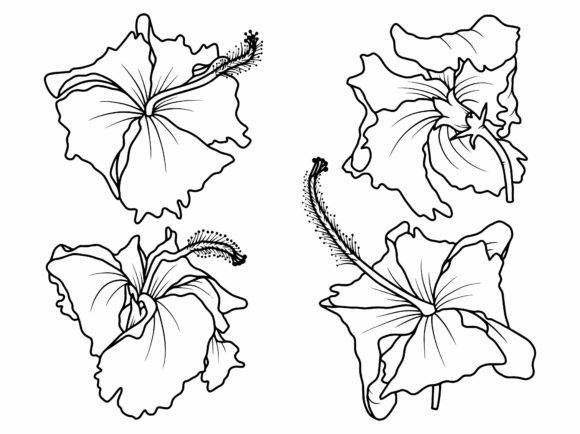
The visual personality of this design is distinct. Because the elements were originally drawn with an ink pen before being digitized into vector format, the lines possess a natural variance in weight and flow. For an embroidery project, this is a double-edged sword that requires careful management. The "doodle" style suggests a casual, approachable vibe, making it perfect for brands or individuals wanting to escape the sterile look of corporate branding. It feels like something you would find sketched in the margins of a botanical journal, which adds a layer of authenticity to any handmade product.
However, line art in embroidery is unforgiving. Unlike a fill stitch area that can hide minor tension issues, a single running stitch line exposes every flaw in the fabric preparation and machine timing. The Doodle Flowers Line Art SVG relies heavily on these linear elements to define the wildflowers and stems. In a real-world scenario, this means the design shines brightest when used on stable, tightly woven fabrics where the thread can sit cleanly on the surface without sinking in.
Real-World Application: The Custom Tote Bag Scenario
To truly evaluate this asset, I envisioned a specific client request: a set of custom tote bags for a local farmer's market vendor. She wanted branding that felt earthy and handmade, avoiding the heavy, blocky logos common in the industry. The Doodle Flowers Line Art SVG was the obvious choice for a tote bag design. The linear wildflowers could be arranged to frame her shop name, creating a border that feels grown rather than printed.
In this context, the transparent PNG files mentioned in the product description become invaluable. Before committing to a single stitch, I used these files to create a printable mockup. This allowed me to visualize how the black line art would contrast against a natural canvas background versus a dyed cotton tote. The ability to combine elements easily meant I could scale the stems to fit a 5x7 hoop without losing the delicate nature of the petals. For an Etsy seller or small shop owner, this flexibility is crucial. It allows for rapid prototyping of different product listings without needing to stitch a sample of every variation immediately.
If executed correctly, the finished product would exude a high-end boutique feel. Customers are increasingly drawn to items that look like they were crafted with care rather than mass-produced. Using this design as a personalized gift element—perhaps monogrammed within the floral arrangement for a wedding favor—could significantly boost the perceived value of the item. The simplicity of the line work ensures that the focus remains on the sentiment of the gift rather than overwhelming the viewer with dense thread coverage.
Technical Considerations for Embroidery
While the artistic merit is high, the technical execution of Doodle Flowers Line Art SVG requires a strategic approach. Since the source files are vectors intended for printing, using them directly for machine embroidery requires a critical step: digitization. You cannot simply load an SVG into most home embroidery machines and expect a perfect machine embroidery design. The file must be processed through embroidery software to assign stitch types.
For these doodle flowers, I would recommend a combination of techniques. The stems might work beautifully as a triple run or a fine satin stitch if they are thick enough, but the finer details of the petals should likely remain as single or double running stitches to maintain that "ink on paper" look. This brings us to stitch density. One of the biggest risks with line art is underlay. If the stabilizer isn't substantial enough, the fabric will pucker along the long, continuous lines of the stems. For a project like sweatshirt embroidery, where the fabric is stretchy and textured, a heavy cut-away stabilizer is non-negotiable. Without it, the clean lines of the doodle will distort as soon as the garment is worn or washed.
There are also limitations regarding hoop size and placement. While the vector format allows for infinite scaling, embroidery has physical limits. If you scale this design down too small for a hat or a baby onesie, the tiny gaps between the flower petals may fill in with thread, turning delicate details into a solid blob. Conversely, scaling it up too large for a curved surface like a cap could lead to registration errors where the start and end points of the stitches don't meet perfectly. It is always wise to test the design on scrap fabric of the same weight and texture as your final material. Check the thread colors carefully; a high-contrast thread on dark fabric might require a white underlay to prevent the fabric color from muting the vibrancy of the design, though this can sometimes detract from the sheer line-art aesthetic.
Commercial Viability and Brand Consistency
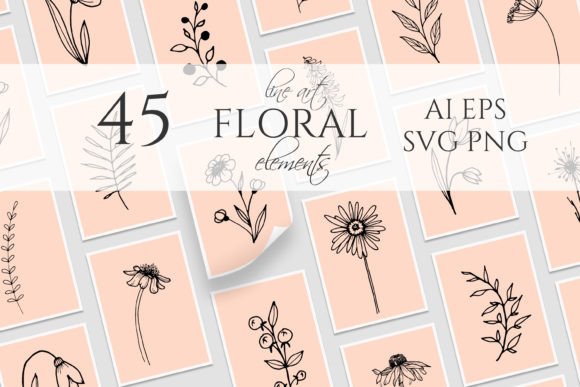
For commercial embroidery professionals and craft business owners, consistency is key. The Doodle Flowers Line Art SVG offers a versatile library of elements that can help build a cohesive brand identity. Whether you are creating an embroidered patch for a uniform, decorating kitchen towels for a holiday collection, or designing nursery decor, the consistent hand-drawn style ensures that all products feel like they belong to the same family.
This consistency builds customer trust. When a buyer sees a recognizable style across your small shop product range, from baby embroidery to holiday embroidery gifts, they begin to associate that aesthetic with your brand's quality. Furthermore, because the design is rooted in a timeless botanical theme, it avoids trending too hard into a specific fad that might date your inventory next season. It is a safe, yet stylish investment for your design assets.
Final Verdict and Practical Notes
The Doodle Flowers Line Art SVG is a potent tool for designers who understand the nuances of translating digital art into textile form. It is not a "click-and-stitch" solution out of the box, but rather a high-quality foundation for custom work. Its strength lies in its adaptability and its ability to convey a warm, human touch in an increasingly automated world.
Before integrating this into your workflow, keep these practical notes in mind:
- Digitize with Care: Since the source is a printable vector, ensure your embroidery software converts the lines into appropriate stitch types (running vs. satin) based on the thickness of each element.
- Fabric Matters: Avoid using this on highly textured fabrics like thick terry cloth or loose knits unless you use a significant amount of stabilizer, as the fine lines may get lost.
- Test Washability: Line art can be prone to snagging. Test a stitched sample through several wash cycles to ensure the threads hold up, especially for items like aprons or pillow covers that see frequent use.
- Check Licensing: Always verify the specific license terms regarding commercial use. While the description suggests ease of use for combining elements, confirm whether you can sell the digitized embroidery file itself or only the finished physical goods.
- Contrast is King: This design relies on silhouette and shape. Ensure your thread color contrasts sharply with your fabric choice to maintain the "ink drawing" illusion.
In conclusion, for the designer willing to put in the technical prep work, the Doodle Flowers Line Art SVG delivers a sophisticated, artisanal result that elevates standard custom apparel and home goods into something special. It bridges the gap between digital convenience and the tactile beauty of handcrafted goods.