Watercolor Potted Flowers
As a designer who’s spent years working with embroidery files, I’ve seen my fair share of digital graphics. But when I came across the Watercolor Potted Flowers design, I knew it had potential. It’s not just another clipart image—it’s a versatile piece that can elevate a range of projects. Let me walk through how this design performs in real-life embroidery scenarios and what to consider before using it.
The First Impression
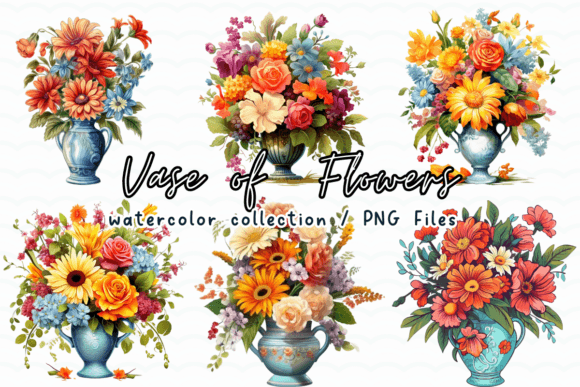
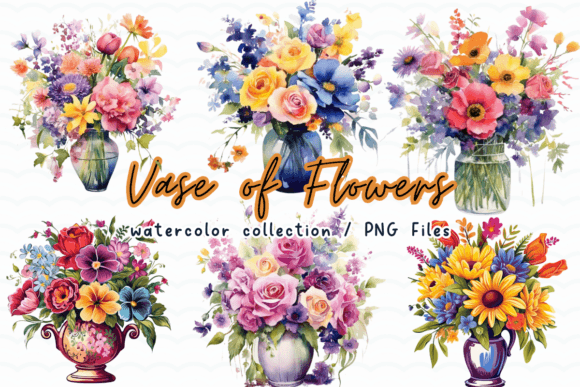
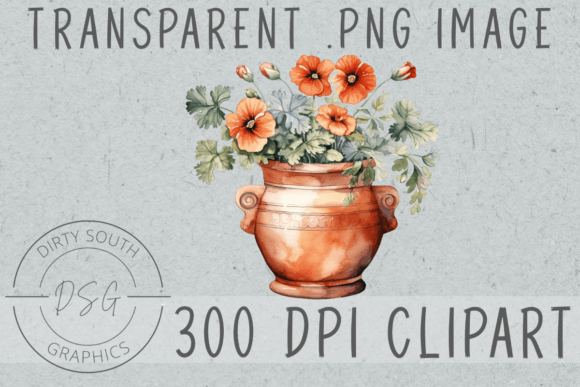
From the moment I opened the file, the Watercolor Potted Flowers design felt soft and inviting. The watercolor aesthetic gives it a delicate, artistic vibe that’s perfect for handmade products. The layout is clean, with a balanced composition that doesn’t feel cluttered. Each flower has enough detail to stand out but isn’t overly complex, making it ideal for both simple and intricate embroidery projects.
The transparent background adds flexibility, allowing the design to blend seamlessly into different fabric colors and textures. Whether you’re stitching on a white cotton tote or a navy-blue sweatshirt, the design adapts well. It’s also large enough—2500×2500 pixels at 300 dpi—to ensure clarity when scaled up or down.
Real-World Use Cases
I tested the Watercolor Potted Flowers design on a custom tote bag for a client who wanted something elegant yet approachable. The design looked great on a light-colored canvas, and the soft color palette made it feel like a natural addition to the bag. It also worked well as an embroidered patch for a baby onesie, where the gentle lines and pastel tones added a touch of warmth and charm.
For a craft fair booth, I used the design as a printable mockup for a small shop product. The high-resolution PNG allowed for crisp, professional-looking previews that helped customers visualize the final product. It also made a nice addition to a holiday gift, where the floral theme paired well with seasonal themes like spring or Mother’s Day.
Where to Be Cautious
While the Watercolor Potted Flowers design is visually appealing, it’s not without its limitations. On small hoop sizes, the details can get lost, especially if the design is scaled down too much. If you're planning to use it on a cap or a hat, be mindful of how the curves and corners translate onto a curved surface.
Textured fabrics can also be a challenge. The design works best on smooth, even surfaces like cotton or polyester. If you're stitching on a thick or rough fabric, the stitch density might need adjusting to avoid puckering or distortion. Thin or stretchy fabrics require extra stabilizer to keep the design from shifting during the embroidery process.
Another thing to watch: the design may not show up well on dark fabrics unless the thread color contrasts sufficiently. I recommend testing it on both light and dark backgrounds to see how it looks. Also, if you’re using it for layered garments or items that will be washed frequently, make sure the stitches are secure and the design won’t fade or crack over time.
Impact on Visual Appeal and Customer Trust
The Watercolor Potted Flowers design adds a sense of quality and care to any project. Its soft, artistic look makes it ideal for handmade products that aim to feel personal and unique. Customers often respond positively to designs that feel thoughtful and well-crafted, which can boost their confidence in your brand and the value of your work.
When used correctly, this design can enhance the professionalism of your work. Whether you're selling on Etsy, crafting at a fair, or offering custom apparel, the Watercolor Potted Flowers design helps create a cohesive visual identity. It also plays well with other elements, making it easy to pair with text or additional graphics for a more complete design.
Practical Designer Notes
Before committing to a project, always test the Watercolor Potted Flowers design on scrap fabric. This helps you see how the colors and stitches look in real life. Check the thread color contrast—especially if you’re using a dark fabric—and adjust the stitch density as needed.
Make sure the hoop size you’re using is appropriate for the design’s dimensions. If you’re working on a detailed area, consider breaking the design into sections to avoid overcrowding the hoop. Also, inspect the design for small details that might not translate well in certain stitch types, like satin or fill stitches.
Don’t forget to test the design in black and white mockups. Sometimes, the colors can be distracting, and seeing it in grayscale helps you assess the overall composition. Finally, confirm the licensing terms before selling finished products or digital files. Even though this is a PNG image, you want to be clear on how it can be used commercially.
Final Thoughts
The Watercolor Potted Flowers design is a solid choice for anyone looking to add a touch of elegance to their embroidery projects. It’s versatile, visually appealing, and adaptable to a wide range of applications. Whether you're creating custom apparel, personalized gifts, or small business merchandise, this design can help elevate your work.
Just remember to take the time to test it, understand its limitations, and use it in a way that highlights its strengths. With the right approach, the Watercolor Potted Flowers design can become a valuable asset in your creative toolkit.